
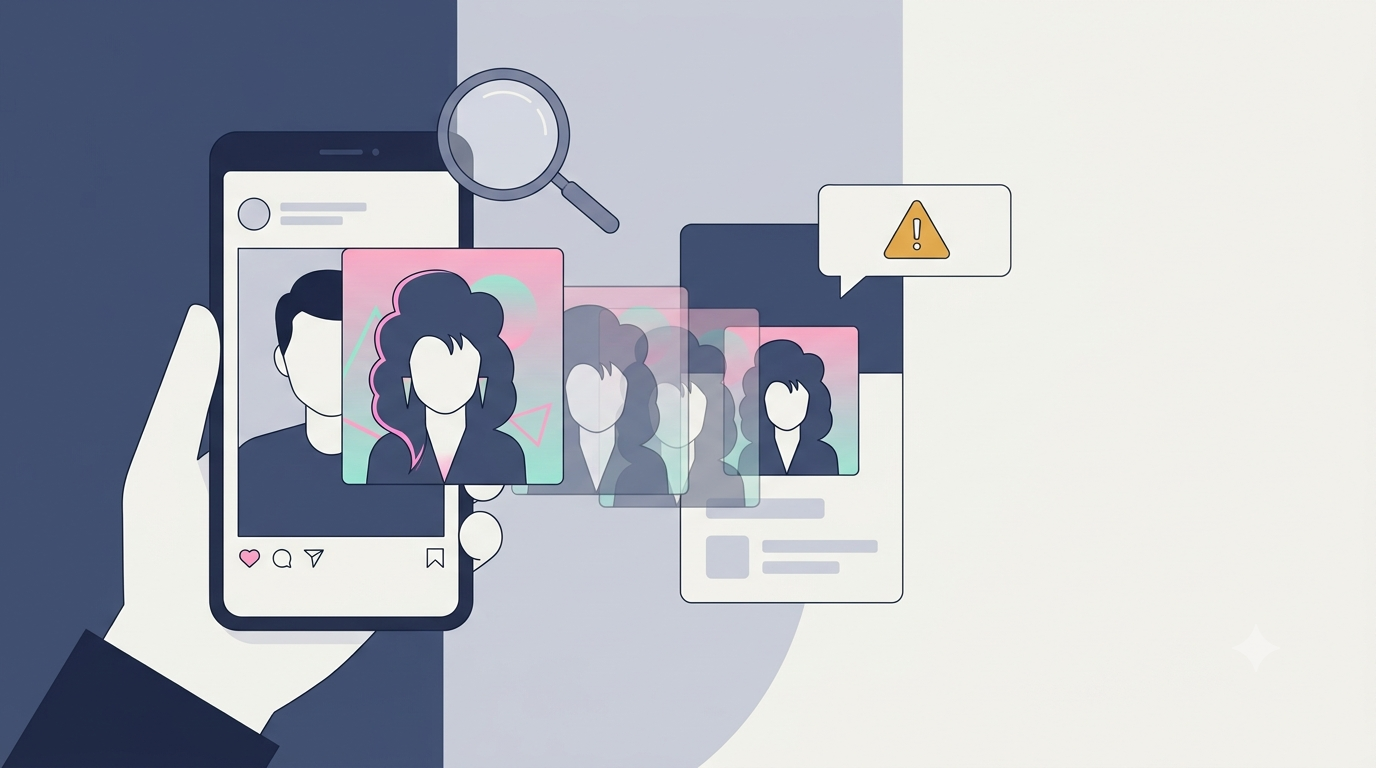
The latest 1980s AI photo trend has turned ordinary selfies into retro portraits, with users transforming their photographs into images inspired by the fashion, colours and aesthetics of the decade. But Delhi Police has cautioned users to think twice before uploading personal photographs to unfamiliar AI tools.
Looks like nostalgia but it could be a trap. 🚨
— Delhi Police (@DelhiPolice) September 22, 2026
Your images can be misused for fake profiles, blackmail or cyber fraud.
📞 Cyber Fraud: 1930 | https://t.co/31HYfBIJGu@LtGovDelhi#DPUpdates pic.twitter.com/2Ys9NnV6gc
In an advisory shared on X by Delhi Police, the police warned that images uploaded to unknown AI platforms could potentially be misused to create fake profiles, facilitate fraud or enable blackmail. It also cautioned users against clicking random links offering AI filters or photo-generation services, noting that seemingly harmless filters could conceal scams.
The concern is not limited to this particular trend. Delhi Police’s Cyber Crime Cell guidance on social media crimes notes that fake profiles can be used for impersonation, harassment and fraud, and advises users not to accept unknown friend requests, click suspicious links or make excessive personal information publicly available.
The warning has also emerged in other states: Bengaluru Police cautioned users about the same 1980s AI avatar trend, highlighting risks including impersonation and the misuse of high-quality photographs.
The lesson is not that every AI photo tool is unsafe. Rather, users should know what they are giving away before participating in a viral trend.
Think Before You Upload
- Use established and trusted AI services rather than unfamiliar websites or apps.
- Check what the service says about storing, processing or reusing uploaded photographs.
- Avoid uploading photographs containing sensitive information or other people without their consent.
- Review the permissions requested by an app before granting access.
- If possible, use privacy settings that limit who can view your photographs and profile.
What to Avoid
- Unknown AI websites and apps: Don’t upload photographs simply because a tool is trending on social media.
- Random links and QR codes: Avoid links promising “free” AI filters or viral templates unless you can verify their source.
- Sharing excessive personal information: Avoid combining photographs with your full name, phone number, address, workplace or location.
- Uploading sensitive photographs: Avoid using images that reveal identification documents, travel details, home addresses or other personal information.
- Engaging with suspicious profiles: If an account uses your image or contacts you with threats or demands for money, do not engage or transfer funds. Preserve evidence and report it.
What Can You Do?
- If your photograph is misused, or you become a victim of cyber fraud, act quickly. Save screenshots, profile URLs, messages, payment details and other evidence before reporting the incident.
- If a fake profile or manipulated image is being used to impersonate or harass you, report the account directly to the relevant social-media platform and preserve the evidence. For an emergency or where there is an immediate threat to personal safety, contact the police.
The key is not to panic or engage with the person responsible. Preserve evidence, report the incident and seek help early.
AI can make our photographs more creative and expressive. But in an increasingly synthetic digital environment, treating a photograph as personal data, not just content, is an important part of staying safe online.
You can report any cybercrime incident to the National Cybercrime Helpline by dialling 1930, or register your complaint at cybercrime.gov.in.
Cover image created with generative AI