

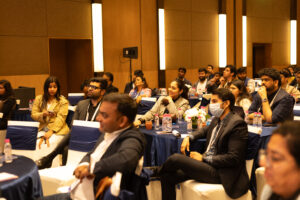
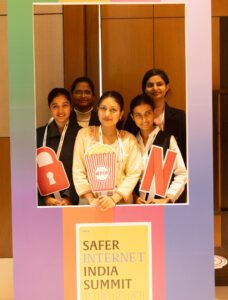
The Safer Internet India Summit took place on 10th February 2026 at The Oberoi, New Delhi, bringing together voices from industry, government, and civil society for a full day of conversation around online safety. The agenda spanned from everyday scams affecting ordinary users, to the broader challenges of platform safety and design. Attendees moved between a main plenary hall, featuring keynote addresses and panel discussions, and a smaller workshop space designed for more interactive, hands-on sessions. The Summit succeeded in convening the right people around the right issues, marking a meaningful step towards building a better internet for all.



Snapshot
250+ Attendees
30+ Speakers
9 Plenary Sessions
4 Workshops
Outcomes
The Summit served as a platform for an exchange of ideas and realignment of priorities. The Industry (that builds the internet) and the Government (that regulates it), often end up in silos at odds with each other. We brought these key stakeholders into the same room to facilitate a meaningful conversation.
This dialogue helped both sides understand the needs and concerns of the other, and we hope it will lead to better cross-sector collaboration and synergy in the future.
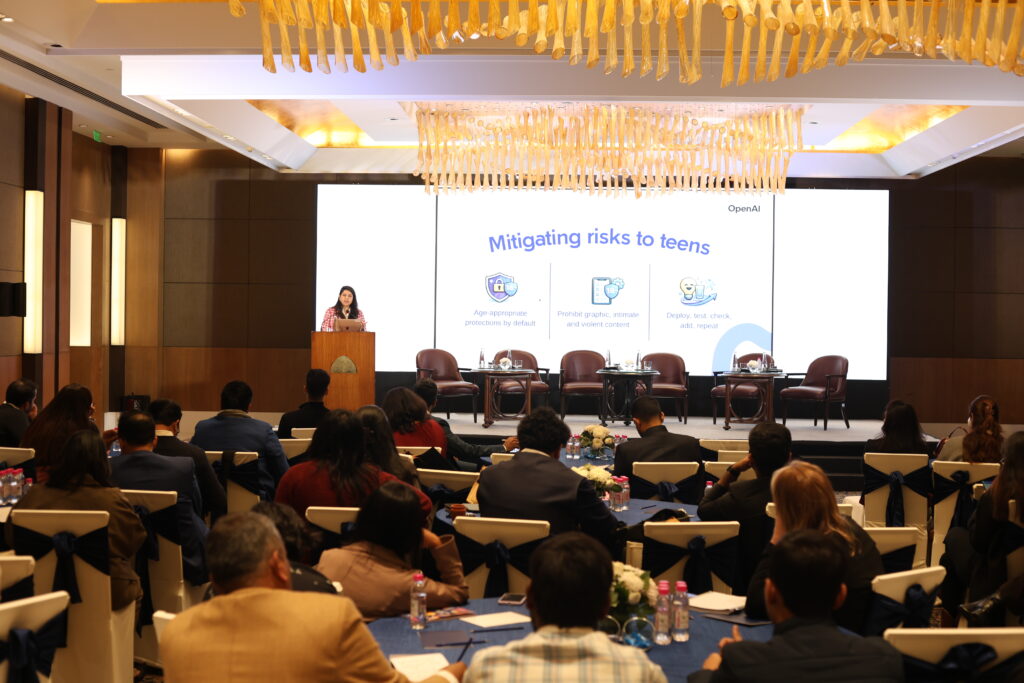
The summit acted as a launchpad for OpenAI’s “Teen Safety Blueprint for India”, outlining a set of age-based safeguards, parental controls, and mental health protections aimed at users under 18 on ChatGPT.
We also launched a Handbook on Staying Safe Online, designed to create awareness among internet users about common online scam and fraud patterns, and best practices to stay safe.

Plenary Sessions
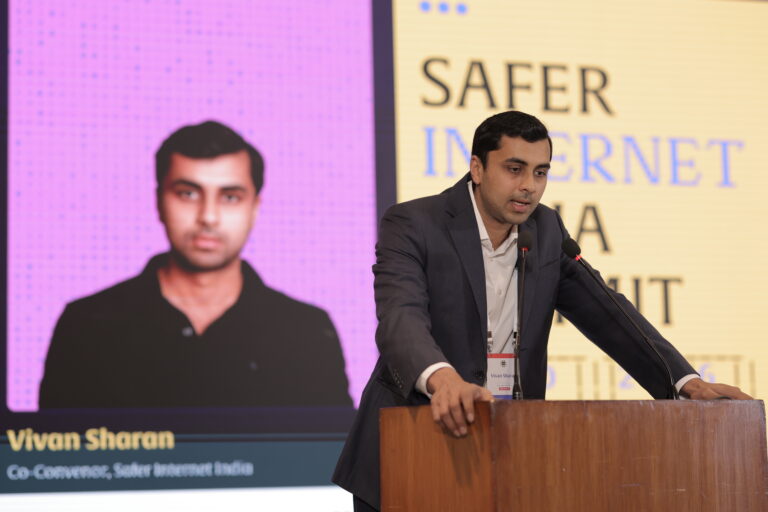
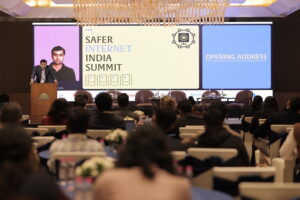
Opening Remarks by Vivan Sharan
We kicked off the Safer Internet India Summit 2026 with a warm welcome and a clear sense of purpose.
Vivan Sharan, Co-Convenor, Safer Internet India, set the tone for the day by reminding us why this work matters and what’s at stake as India navigates an increasingly complex digital landscape.
A room full of policymakers, technologists, and advocates, all gathered around one shared goal: a better internet for all.
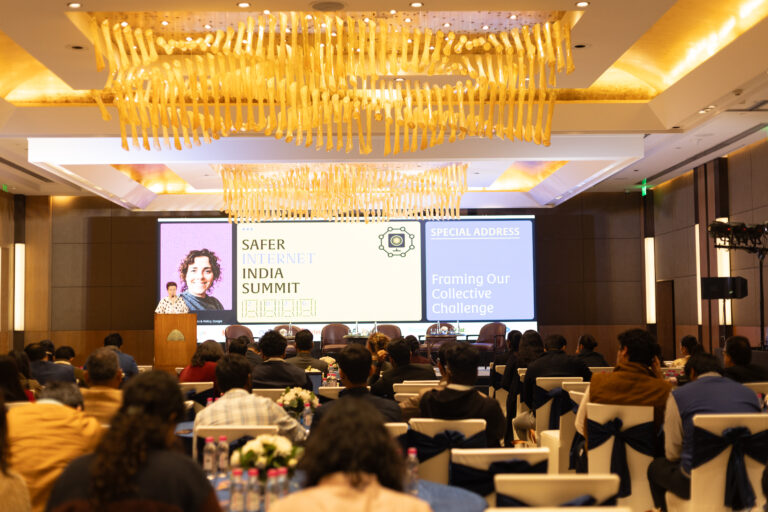
Special Address: Framing Our Collective Challenge by Gail Kent
What does it actually mean to stay safe in today’s online world?
Gail Kent, Director of Government Affairs and Policy at Google, opened our first full session by doing what few do well: putting the scale and complexity of our digital challenges into honest, clear perspective.
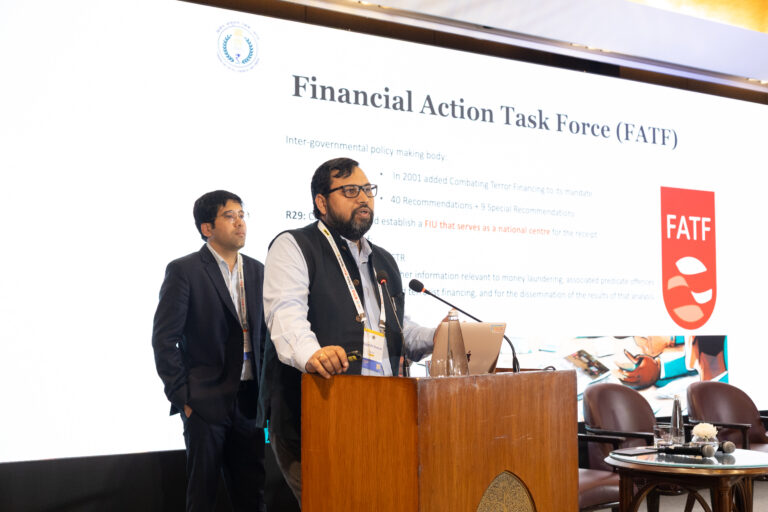
Interactive Remarks: Follow the Money – Decoding the Digital Trail by FIU-IND
Money laundering and fraud don’t happen in the shadows anymore. They happen in your apps, UPI transactions, and bank accounts.
Rajarshi Kumar and Seuj Saikia walked us through how FIU-IND (Ministry of Finance) monitors India’s financial system, detects suspicious activity in real time, and works across the broader ecosystem to stop fraud before it spreads.
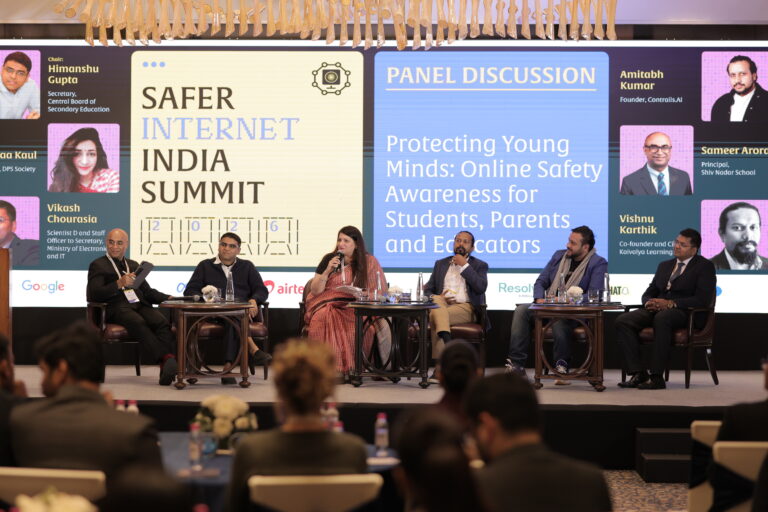
Panel Discussion: Protecting Young Minds – Online Safety for Students, Parents and Educators
How do we help the people closest to young people online actually know what to look for?
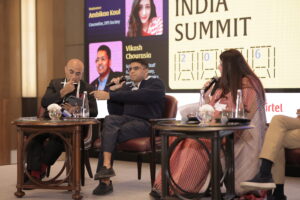
At the Safer Internet India Summit, a panel chaired by Himanshu Gupta, Secretary of the Central Board of Secondary Education, explored exactly that. With educators, founders, and policymakers in the room, the conversation got practical: what are the warning signs, and what do you do when you spot them?
With Ambikaa Kaul moderating, the panel brought together Amitabh Kumar (Contrails.AI), Sameer Arora (Shiv Nadar School), Vishnu Karthik (Kaivalya Learning), and Vikash Chourasia from the Ministry of Electronics and IT.
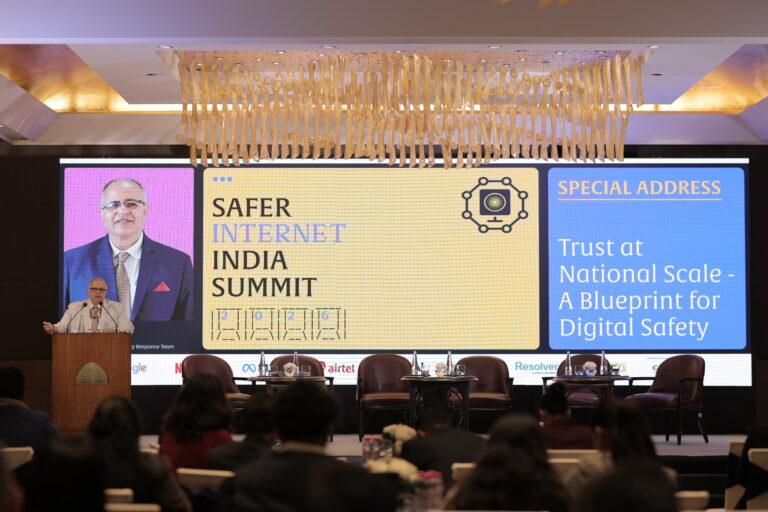
Special Address: Trust at National Scale – A Blueprint for Digital Safety
When we talk about cyber safety in India, we’re talking about protecting over a billion people online.
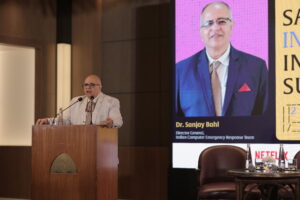
Dr. Sanjay Bahl, Director General of CERT-In (Indian Computer Emergency Response Team), gave us a clear-eyed look at how India’s cyber safety posture is built, maintained, and tested, and what it means for both institutions and everyday users.
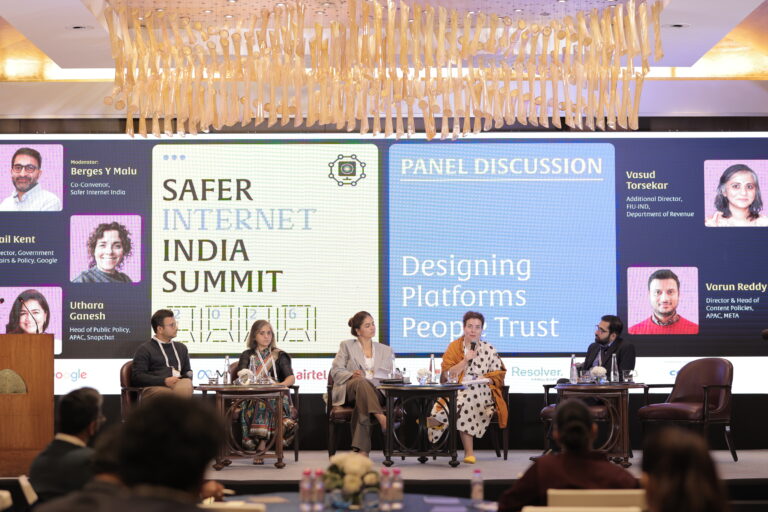
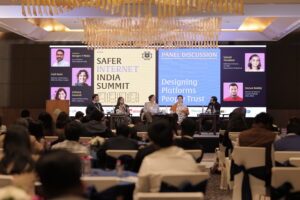
Panel Discussion: Designing Platforms People Trust
This session at the Safer Internet India Summit examined what it actually takes to design digital products that people can trust, and the difficult tradeoffs that come with it.
This session brought together voices from across government and industry to examine how companies and regulators are responding to fast-changing threat vectors. Moderated by Berges Y Malu, the panel featured Gail Kent (Google), Uthara Ganesh (Snapchat), Vasud Torsekar (FIU-IND), and Varun Reddy (Meta).
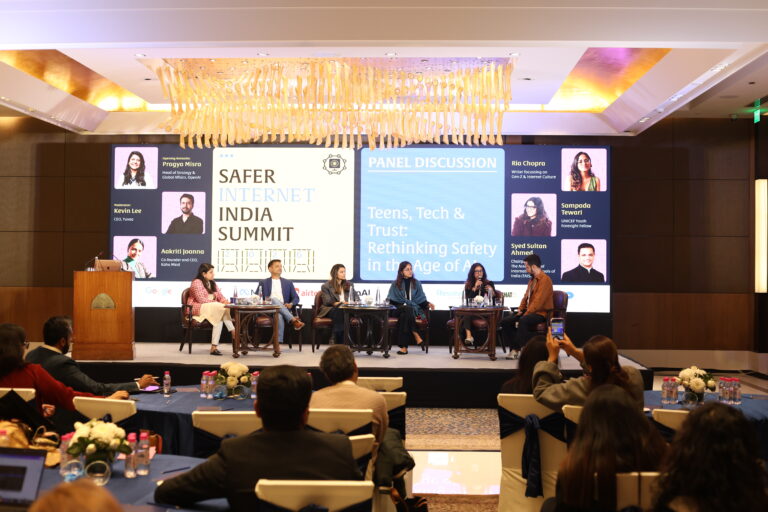
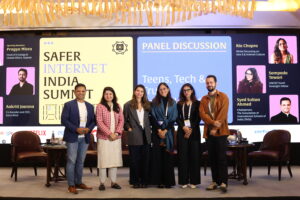
Panel Discussion: Teens, Tech and Trust: Rethinking Safety in the Age of AI
What does safety even mean for a generation that has grown up entirely online?
Pragya Misra, Head of Strategy and Global Affairs at OpenAI, opened this session with framing remarks before handing over to one of the most energetic panels of the day. Moderated by Kevin Lee (Yuvaa), the conversation brought together Aakriti Joanna (Kaha Mind), writer Ria Chopra, UNICEF Youth Foresight Fellow Sampada Tewari, and Syed Sultan Ahmed from TAISI.
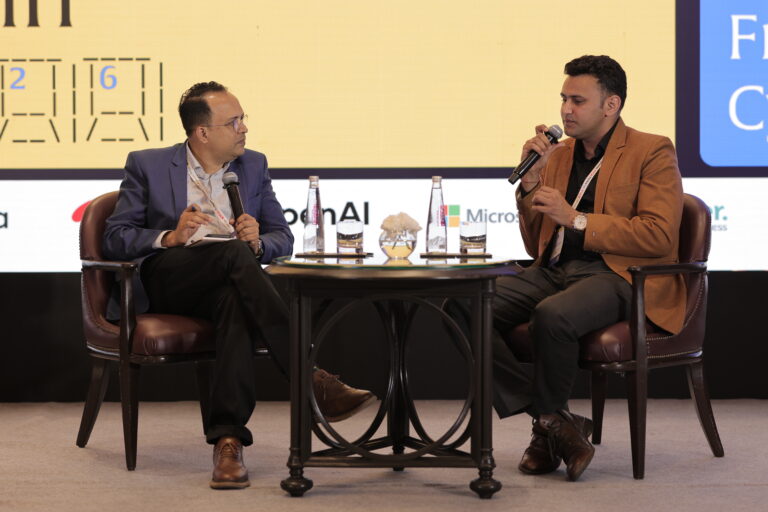
Fireside Chat: From the Frontlines of Cybercrime
Not all cybercrime fighters work behind a desk.
Amit Yadav, a police officer from Gurugram who has built a significant following online for his work exposing and fighting digital crime, joined Jency Jacob, Managing Editor of BOOM Live, for a candid conversation about what cybercrime looks like up close, and what it actually takes to fight it.
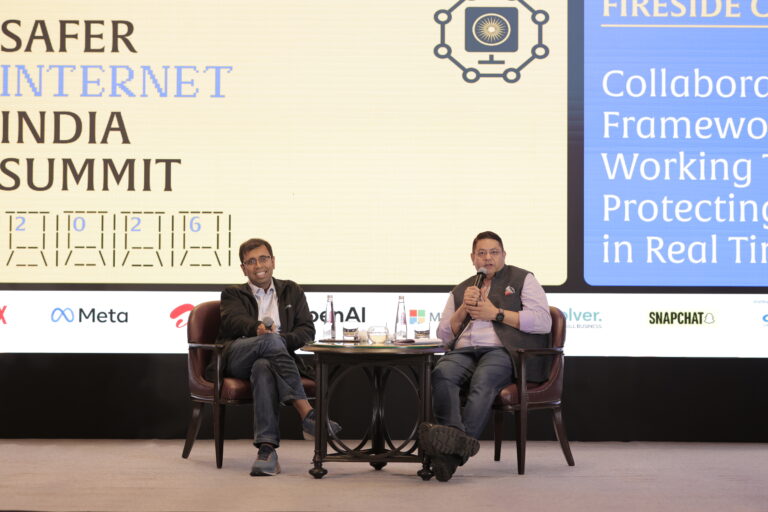
Fireside Chat: Collaborative Frameworks – Working Towards Protecting Users in Real Time
AI is changing what’s possible in online safety, on both sides of the equation.
Rahul Vatts, Chief Regulatory Officer at Airtel, and Anirban Nandi, Country Director of Android Ecosystem at Google, sat down to explore how network-level and device-level safety can be strengthened together, and where AI fits into that picture.
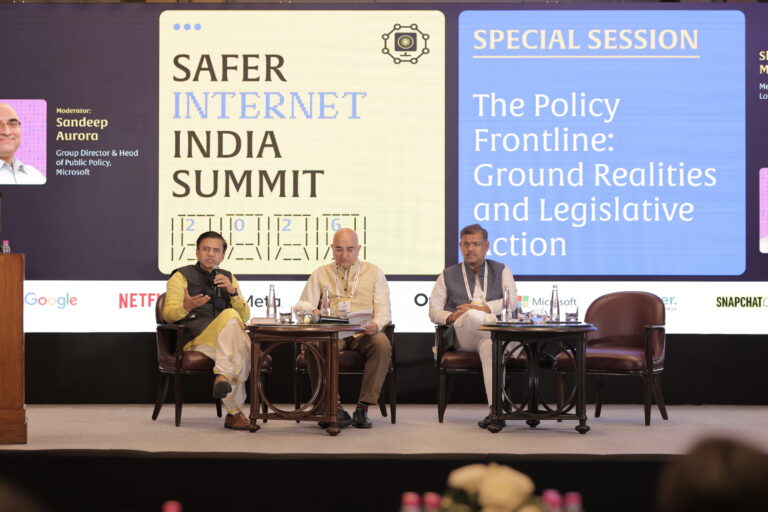
Special Session: The Policy Frontline – Ground Realities and Legislative Action
Policy matters most when it reaches people where they actually are.
This closing session brought Members of Parliament Shashank Mani and Vishal Patil into conversation about what online safety challenges look like from their constituencies, and what legislative and coordinated action can realistically do about it. Moderated by Sandeep Aurora, Group Director and Head of Public Policy at Microsoft.
Workshops
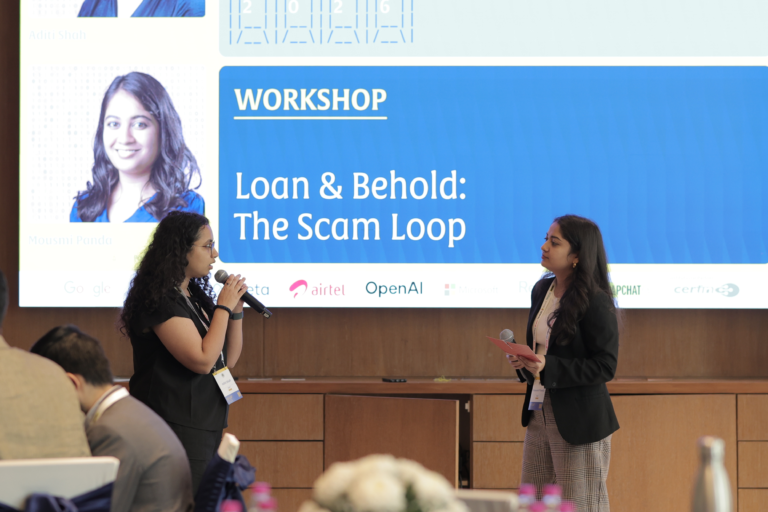
Loan & Behold: The Scam Loop
What happens when you’re the one making decisions inside a scam?
In one of the most immersive workshops of the Safer Internet India Summit, Mousomi Panda & Aditi Shah from the Aapti Institute ran an interactive game where participants stepped into the shoes of users, product teams, and policymakers as a fake loan app scam unfolded layer by layer across the digital ecosystem.
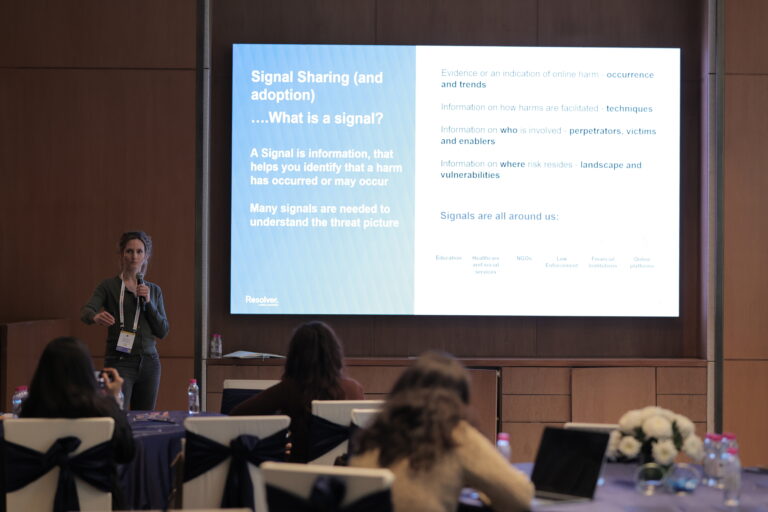
Signal Sharing
What if platforms, companies, and governments could share threat intelligence in real time, before bad actors cause harm?
That’s the idea behind signal sharing, and Frances McAuley, Director of Product at Resolver, gave us a compelling look at how this global arrangement works in practice, from tackling child predators to dismantling dangerous organisations online.
The session also featured insights from Kartikeya Mitra, Trust & Safety Lead at Google, on how these signals are acted upon at scale.
Be Scam Ready
Could you spot a scam before it caught you?
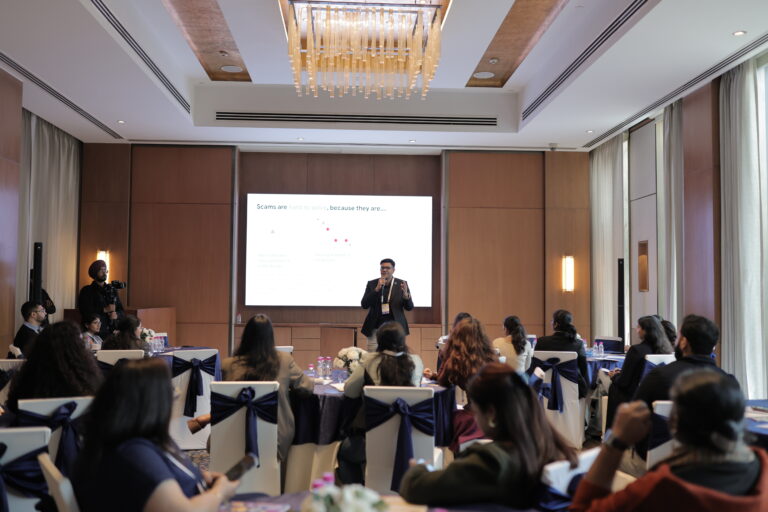
Sameer Jadhav, Senior Program Manager (APAC) at Google, led one of the most practical sessions of the Safer Internet India Summit: an engaging, fast-paced workshop on recognising the patterns behind online scams and frauds, and knowing what to do when you encounter one.
Keeping India’s Telecom Network Safe
Fraud doesn’t just live in your email or your apps. It lives in your phone network too.
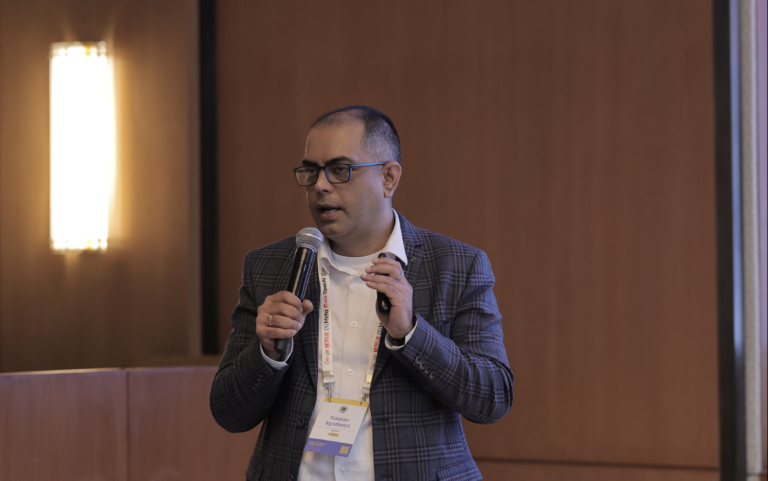
At the Safer Internet India Summit, Gaurav Agnihotri, Vice President of Digital Products at Airtel, walked us through how Airtel IQ Verify uses real-time telco intelligence to detect fraud early and protect users before damage is done.